Space is limited to 22 participants; reservations will be accepted on a first-come basis.
To pre-register for the tour, please click on the "reservation" link below and
enter the required information. We will send you a reservation form.
Your space will be reserved when we receive the signed form and deposit.
AND PRICES
Prices, per person
$TBD
sharing a double/twin
$TBD
single occupancy
♦
Prices are stated in
US Dollars, calculated on
an exchange rate of
$1.15 to the Euro.
♦ ♦ ♦
Package prices include
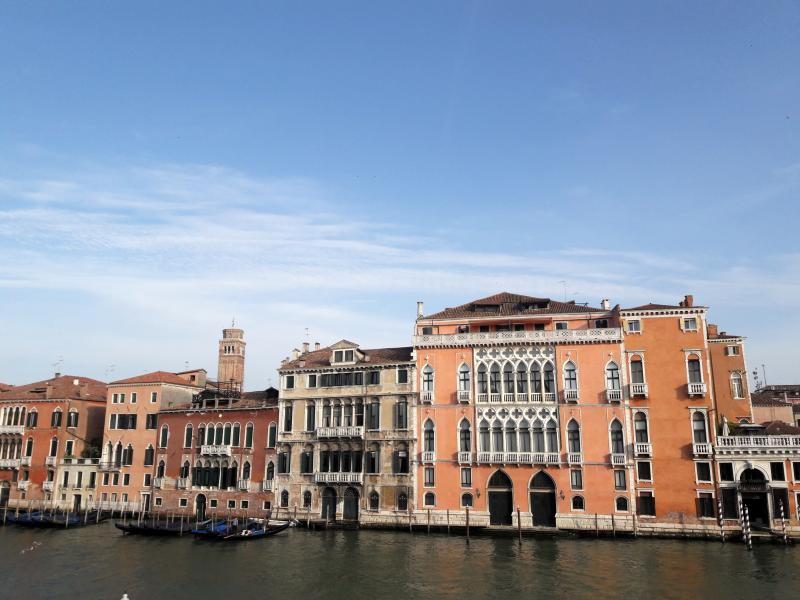
5 nights accommodation
at the
Barocci Palace
Venice
♦
3 nights accommodation
at the
Annunziata Hotel
Ferrara
♦
4 nights accommodation
at the
Hotel Internazionale
Bologna
♦ ♦ ♦
Breakfast each day
♦
Lunch or dinner on 7 days
♦
Ground transportation by private coach
and motorboat
♦
Visits and tours as described
in the right column
♦
TIckets to two operas,
one each at the
La Fenice in Venice and
at the Teatro Communale
in Bologna
♦
Additional performances
as available and at extra cost
♦
Airport transfers
from Marco Polo Airport, Venice on October 27
and to Marconi Airport, Bologna on November 7
Please note:
♦ ♦ ♦
Flight information, including limitations on provided airport transfers may be found near the bottom of the left-hand column.
VENICE (October 27 to 31)
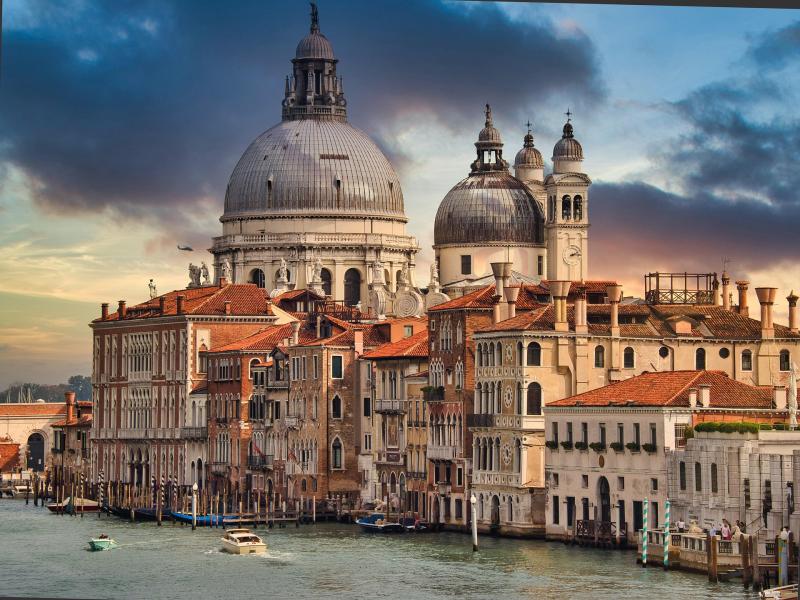
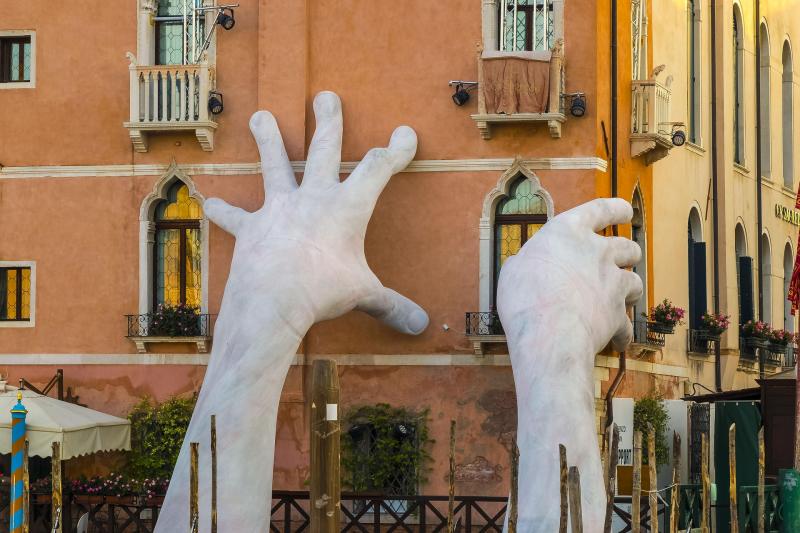
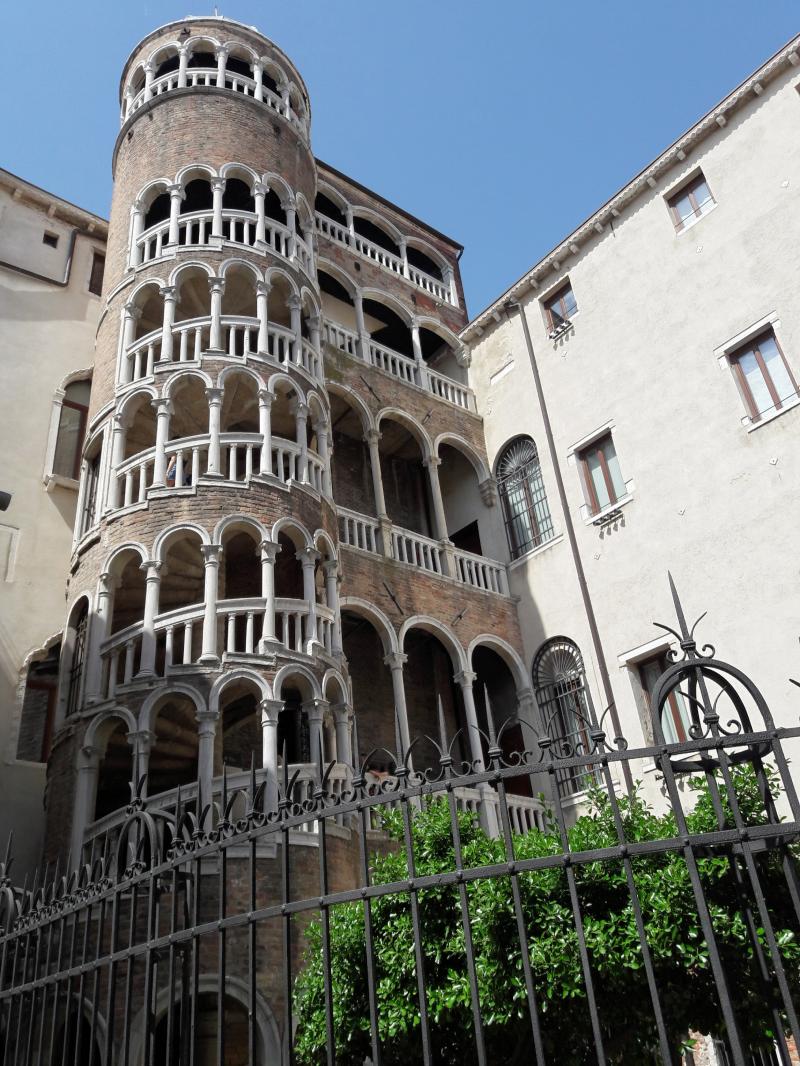
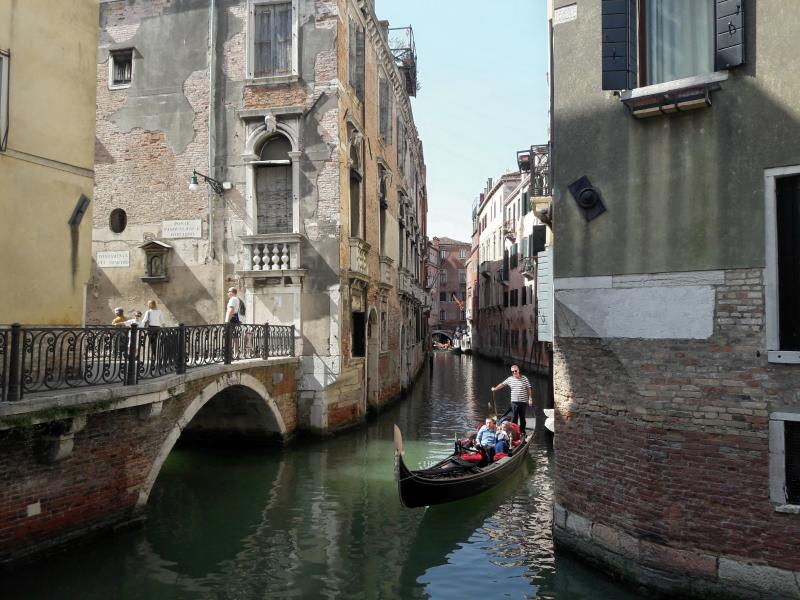
We start in Venice, the modern world’s oldest and longest lasting republic, which in its heyday attracted Europe's finest architects, sculptors, artisans and dreamers, including Casanova, Marco Polo, Tintoretto, Titian, Canaletto and Veronese.The city is filled with Byzantine, Gothic, and Renaissance treasures everywhere you look.
During our four full days (5 nights) in Venice, we will offer two guided tours by our favorite guide/art historian Dr. Susan Steer, a representative of the Venice in Peril Fund (the leading British charity dedicated to safeguarding the rich cultural heritage of Venice). The tours led by Susan will focus on Venetian art and architecture, including the Scuola di San Giorgio degli Schiavoni, which has a wonderful cycle of paintings by 15th-century master Carpaccio; the magnificent historic residence of the Querini Stampalia family, offering an extraordinary insight into the lifestyle, tastes, and mindset of the 18th-century Venetian aristocracy; S. Zaccaria, which boasts an outstanding altarpiece by Bellini; S. Maria dei Miracoli, considered an architectural masterpiece of early Renaissance; and SS. Giovanni e Paolo, a vast Gothic church containing magnificent Renaissance funerary monuments and paintings by prominent Renaissance artists such as Bellini, Veronese, and Bassano; and by special entry, Chiesa della Pietà, once part of Ospedale della Pietà, an institution for unwanted and abandoned children. Between 1703 and 1740, Antonio Vivaldi, the “Red Priest,” concertmaster and violin teacher at the Pietà, wrote unparalleled music for the orchestra of young women. Our visit includes the galleries where the choir of girls would perform during liturgical celebrations, hidden behind a gilt metal grille, and the exceptional collection of Baroque musical instruments from Vivaldi’s era.
You will also have the option of taking one or both of two additional tours in Venice: a basic tour (St. Marks, the Doge’s Palace, Rialto bridge) and an art-focused itinerary including the Franciscan church of Sta. Maria Gloriosa dei Frari, which has outstanding artworks including Titian’s Assumption, and the Scuola Grande di S. Rocco, with dramatic paintings by Tintoretto.
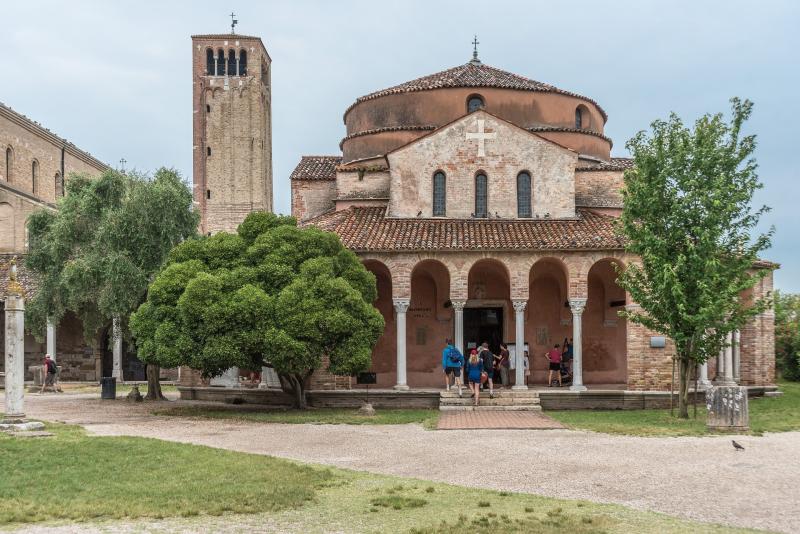
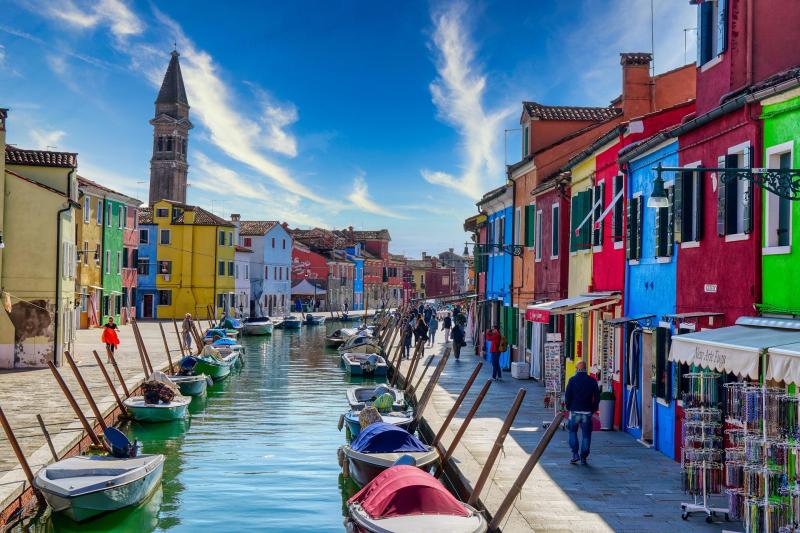
We will also offer an optional trip to the small islands of Torcello, Mazzorbo, and Burano in the Venetian lagoon. Once the rival of Venice, virtually all that remains of Torcello is the magnificent Veneto-Byzantine cathedral with its 12th-century mosaics. We will indulge in a wine tasting in Mazzorbo before strolling through the colorful streets of Burano, known for the “Burano lace” created by the expert women of the island.
Our musical offerings in Venice include:
- On October 28, we attend Francesco Cilea’s Adriana Lecouvreur conducted by Riccardo Frizza, in a co-production between the Teatro Lirico di Cagliari and Abao Bilbao Opera.
- On October 30, a concert by the Venice Music Project will allow us to experience the intimate connection between music and the city of Venice, immersed in the magnificentScuola Grande dei Carmini, where melodies from the past resonate in a space that amplifies their beauty. Before the performance, you can visit the halls of the Scuola, admiring paintings by Tiepolo and carvings that decorate the interiors — a unique chance to “listen” to Venice’s visual and architectural history.
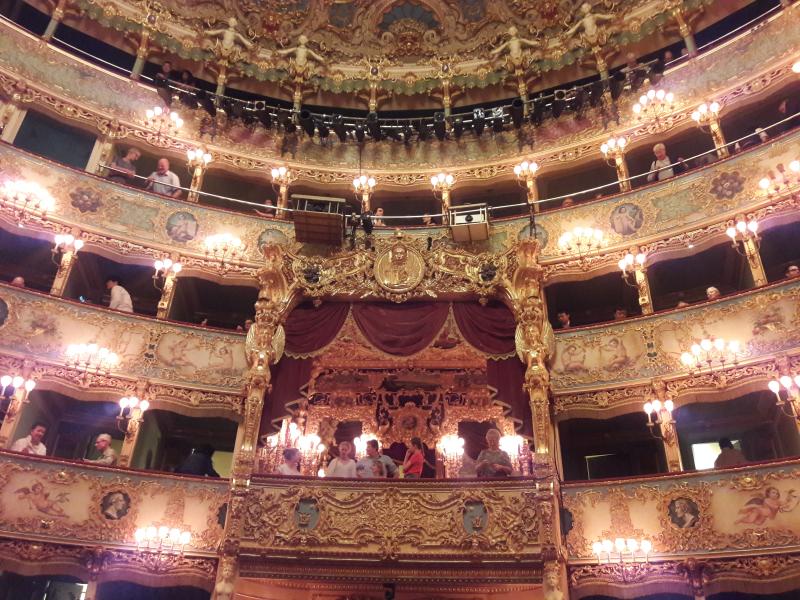
- On October 29, you have the option of attending a symphony concert at La Fenice. Under the baton of Riccardo Frizza, La Fenice Orchestra performs Respighi’s Fountains of Rome, Alfredo Casella’s The Jar, and Shostakovich’s 10th Symphony.
FERRARA (October 31 to November 3)
The Veneto region is famous for its splendid villas. At the end of the 16th century, some patrician Venetian families chose to invest their immense riches into major agricultural enterprises in this area, and villas arose along the banks of the Brenta river. Later, villas were also built as summer getaways for rich and powerful Venetians, designed primarily to impress. On our way to Ferrara, we will visit Villa Widmann-Rezzonico, an 18th-century architectural jewel; and Villa Foscari, the only one along the Riviera del Brenta designed by the famous architect Palladio. Known as “La Malcontenta” ("the sorrowful lady”), this suburban residence looks like an ancient Roman temple; its subdued exterior appearance, centered on symmetry and classical proportions, conceals sumptuous interior frescoes.
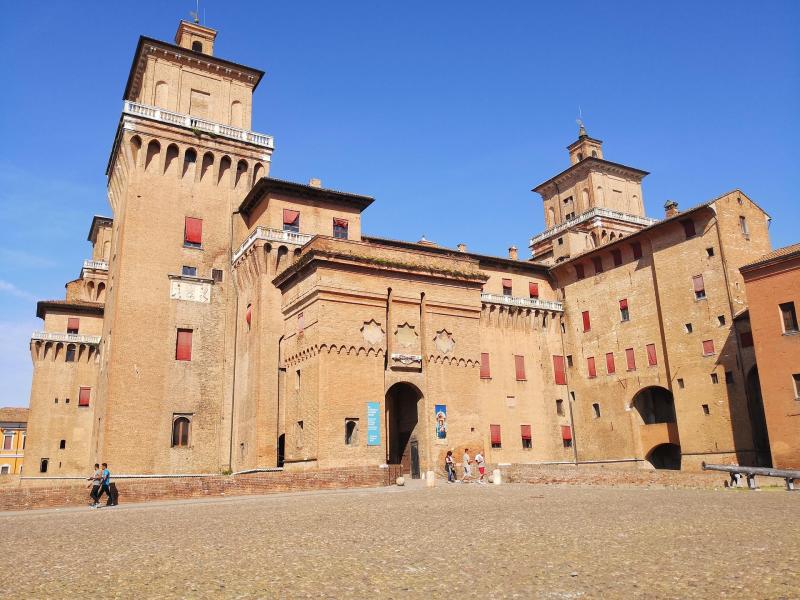
Under the rule of the powerful Este family, Ferrara flourished as an intellectual and artistic center that attracted the greatest minds of the Italian Renaissance. In its heyday, the city state was on a par with Florence and Venice or with other great European courts in France or Spain. Our guided tour of its historic center will include the beautifully preserved Ferrara Cathedral and Palazzo dei Diamanti, home to the National Gallery of Ferrara, displaying important Ferrarese art with a special focus on the Renaissance.
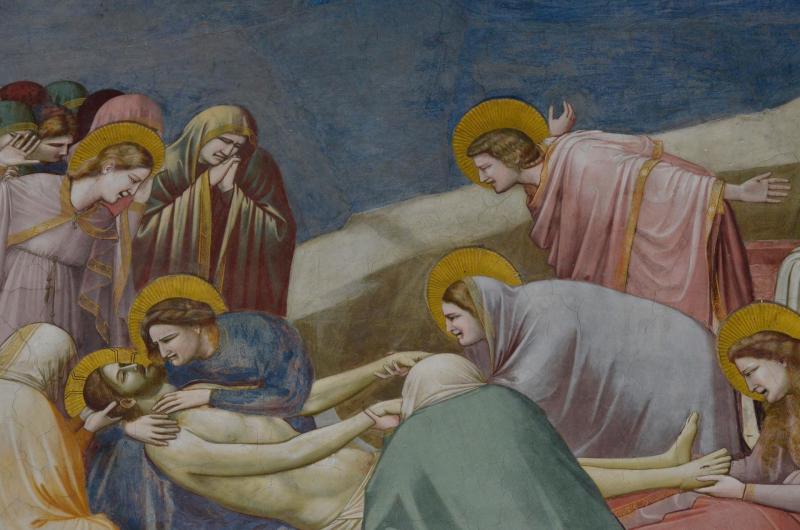
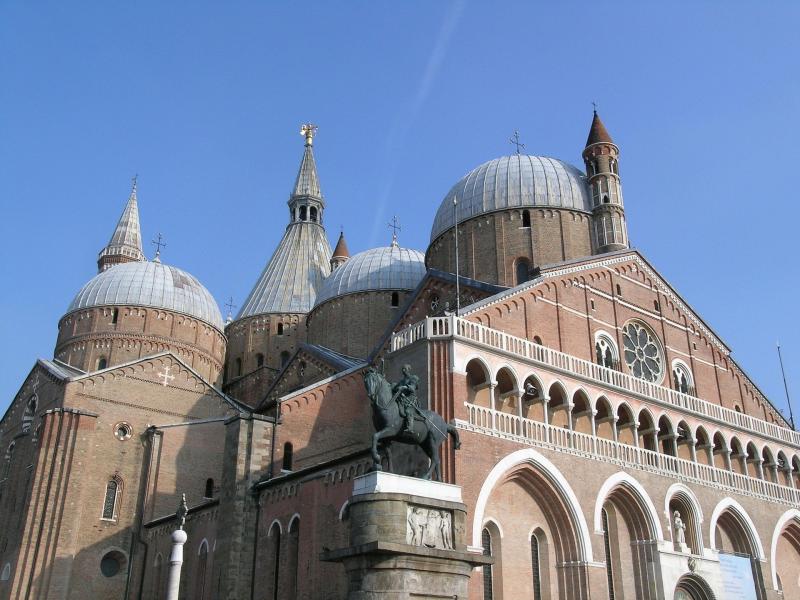
One day is dedicated to Padua, the city of St. Anthony and the site of Italy's second oldest university. We will explore its most treasured landmarks including the Scrovegni Chapel (frescoed with the most complete and best-preserved work by Giotto) and the Basilica of Saint Anthony, boasting a stunning blend of Romanesque, Gothic, and Byzantine architecture and housing a treasure trove of artworks by Giotto, Donatello, Titian, Pietro, Antonio and Tullio Lombardo, and Tiepolo.
Ferrara’s Teatro Comunale has not announced its season; we hope for a musical performance while we are there.
BOLOGNA (November 3 to 7)
We have secured the services of a PhD art historian to guide us in and around Bologna to make our visits even more special.
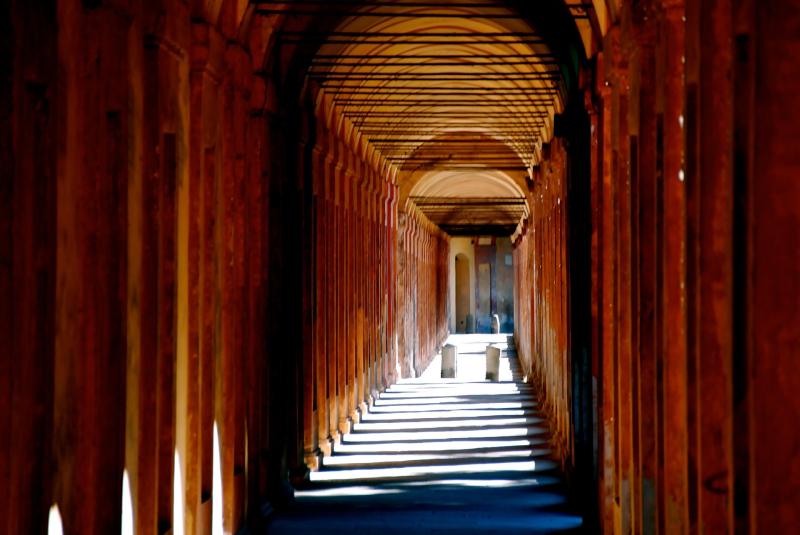
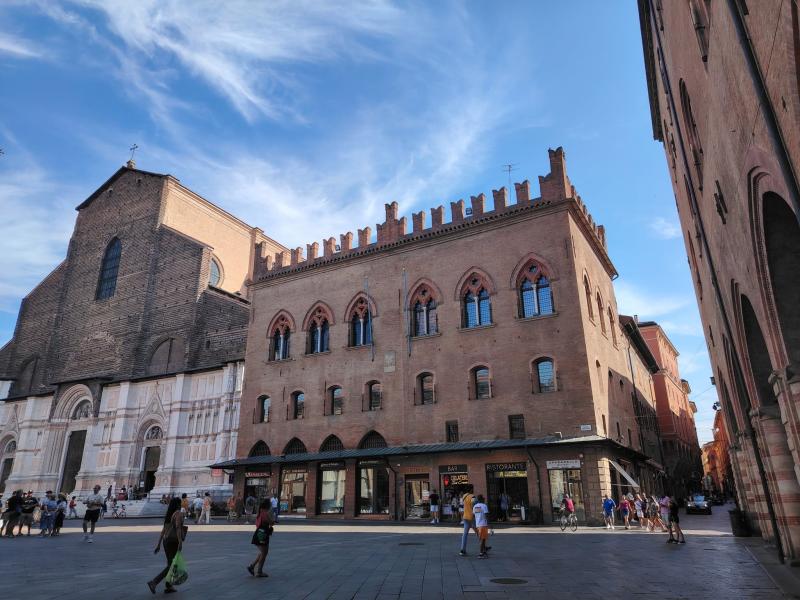
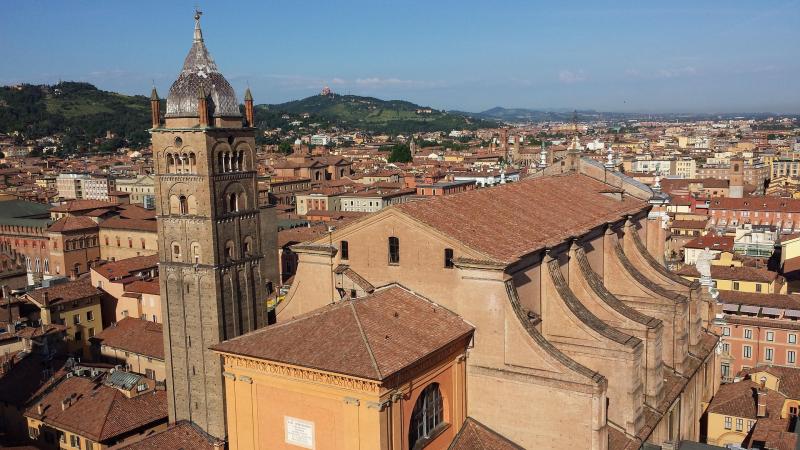
Home to the world’s oldest university in continuous operation (founded in 1088), Bologna is renowned for its medieval, Renaissance, and Baroque charm. Our walking tour will take us to the main square, San Petronio Basilica, Archiginnasio Palace (seat of the university and its Anatomical Theater), the leaning Two Towers (symbol of Bologna), and the Quadrilatero area (the historic market district).
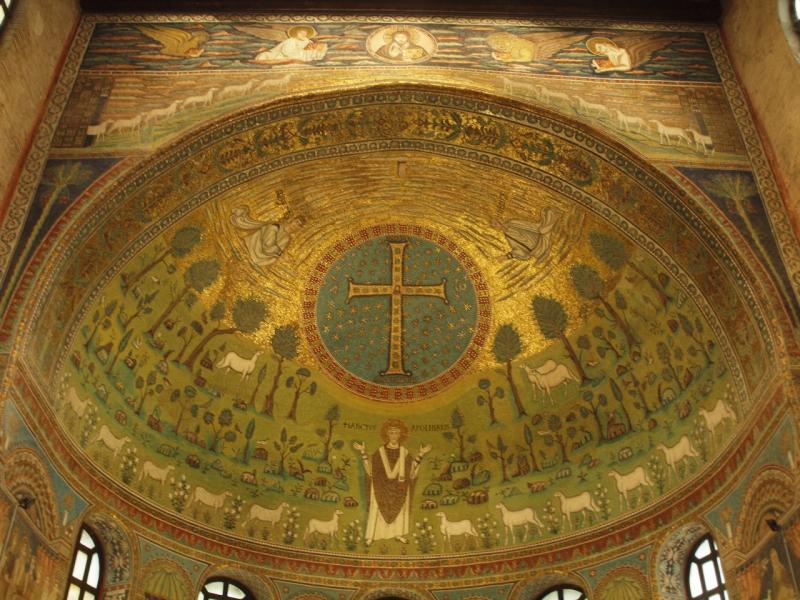
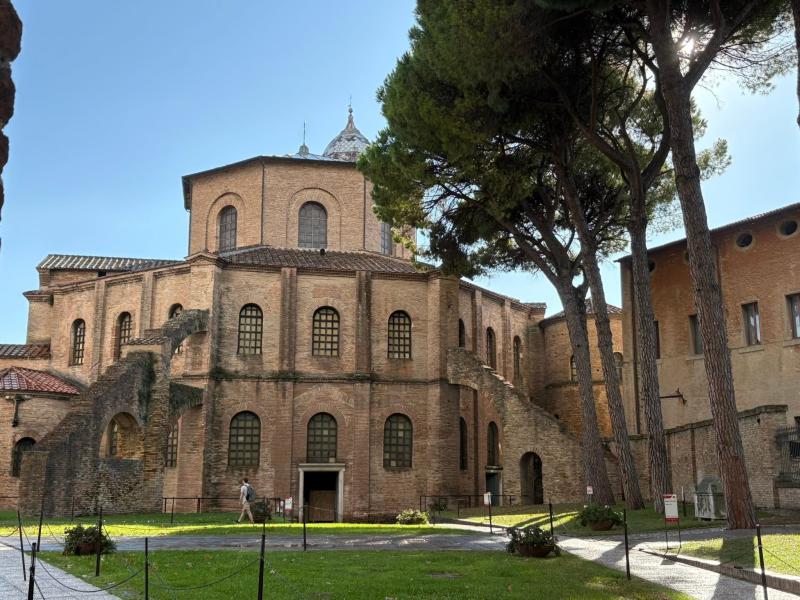
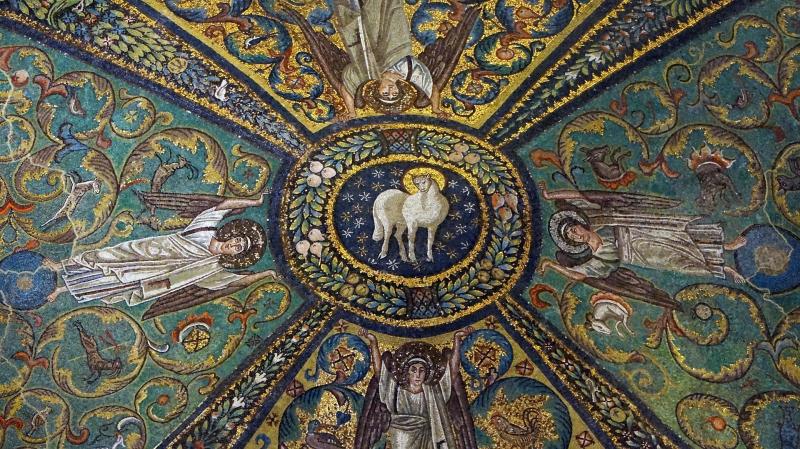
One day is reserved for Ravenna, a city renowned for its extraordinary artistic heritage. In 402 AD, Emperor Honorius moved the capital of the Western Roman Empire there, which transformed the provincial town into a powerful religious, cultural, and political center. On our agenda are masterpieces of Byzantine art: Basilica of San Vitale, the mausoleum of Galla Placidia, and two landmarks of early Christianity, the Neonian and Arian Baptisteries.
A free day will allow you to spend time as you wish in Bologna. You might want to visit the collections of the National Gallery (including paintings by Raphael, Giotto, Guido Reni, Tintoretto, Perugino, Titian); the Santo Stefano complex of “seven churches;” or the International Music Museum and Library, housing one of the most prestigious collections in terms of printed music repertoire from the 16th to the 18th centuries, precious manuscripts, opera librettos, and a collection of autographs and letters. There’s also a faithful reconstruction of the workshop of the famous Bolognese luthier Otello Bignami, donated by his heirs.
Bologna is widely known as the culinary capital of the country, earning the affectionate nickname La Grassa ("The Fat One"). If there’s interest, we can arrange for a cooking class.
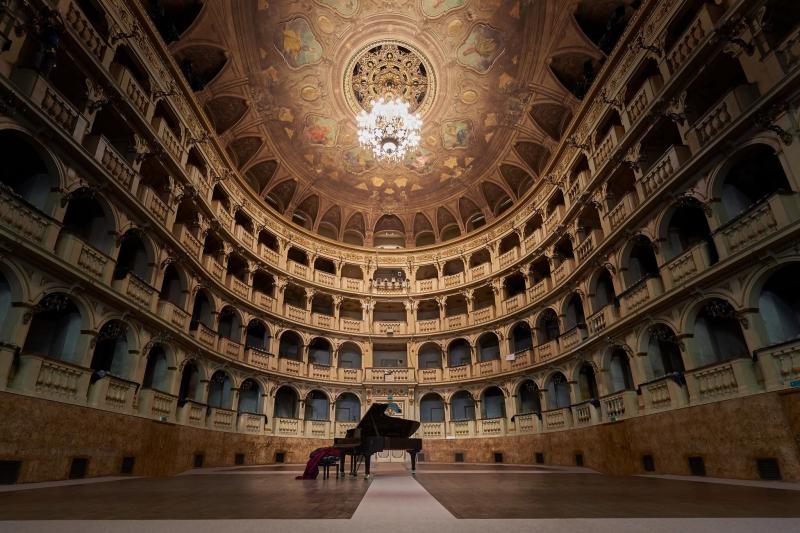
On November 5, we attend a new production of Verdi’s Nabucco at the 18th-century Teatro Comunale, the first public opera house in Italy. The cast includes Amartüvshin Enkhbat as Nabucco, Marta Torbidoni as Abigaille, and Luca Tittoto as Zaccaria. The theater has been undergoing extensive renovation and restoration since 2022 and will reopen to the public in early 2027; time permitting and subject to activities taking place in the theater, we will include a guided tour of the historic venue.
Our last day together is dedicated to Modena, where we’ll visit the Cathedral and the Galleria Estense, dedicated to the eclectic art collections accumulated by the Dukes of Este. Its 16 rooms comprise Italian paintings (14th to 18th centuries) marble and terracotta sculptures; decorative arts; as well as drawings, bronze statuettes, maiolica pottery, medals, ivories, and musical instruments. Among the most significant works are Conegliano’s Pietà, Correggio’s Madonna and Child, the Portrait of Francesco I d’Este by Velázquez, the El Greco Modena Triptych, Bernini’s marble bust of Francesco I d’Este and the Crucifixion by Guido Reni.
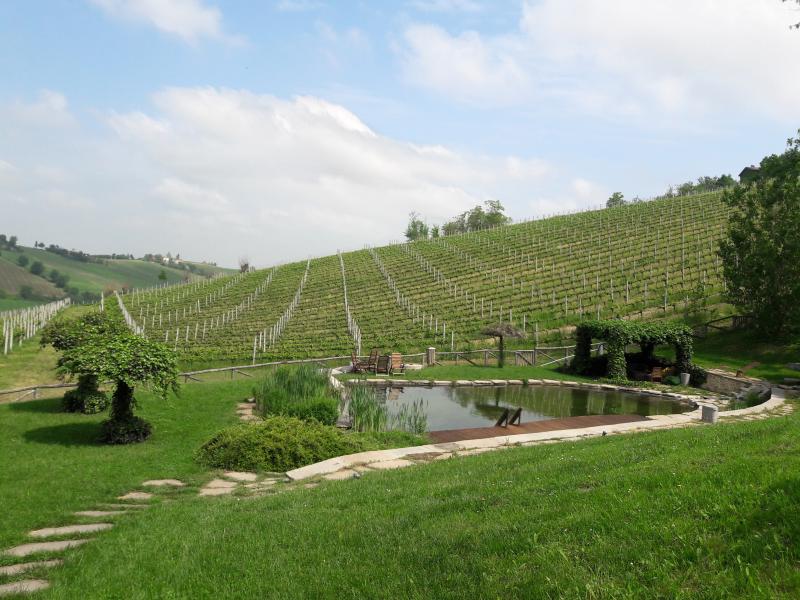
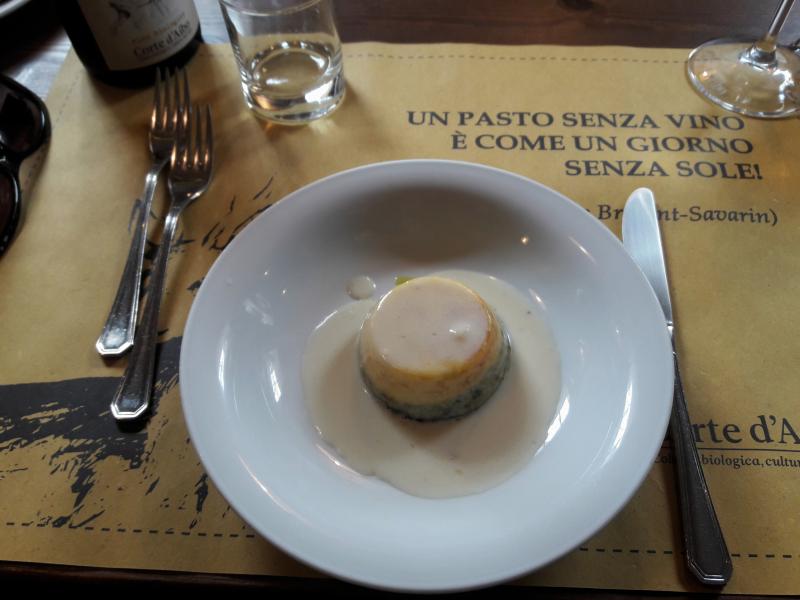
An exceptional wine tasting lunch at an agriturismo winery in the hills above Bologna caps off this two-week Italian adventure.
We will provide individualized transfers from our hotel to Bolognia's Marconi Airport.
The Bologna Opera House photo is courtesy of Teatro Comunale Bologna's Facebook page.